
Bapu & Binaries

I had written briefly about the SRK vs Aamir pop binary, a debate that dominated pop discourse while I was growing up.
But that wasn’t the only binary that existed. Cultural binaries are huge. And I think every regional culture has them.
For example, in West Bengal, we had many. Some were Bengal-specific, others pan-Indian. Sachin vs Saurav, Lata vs Asha, Soumitra vs Uttam, East Bengal vs Mohun Bagan, Amitabh vs Rajesh Khanna, Beatles vs Stones, Kishore vs Rafi, Saurav Ganguly vs Rahul Dravid 1 (this probably deserves a separate blogpost). I grew up in the middle of some, while others were blasts from the past.
One such socio-political binary that we believed in, and to some extent were taught too, was Gandhiji (and Nehru) versus Netaji.
23rd January was Netaji’s birthday. When I opened social media and scrolled through some statuses, I noticed many instances where people will claim him as the “First PM of India” or “The Father of the nation”, as usual. The current regime started propagating this belief relatively recently; Bengalis have been saying this for decades.
For example, I received this WhatsApp forward on 22nd January, this year too.
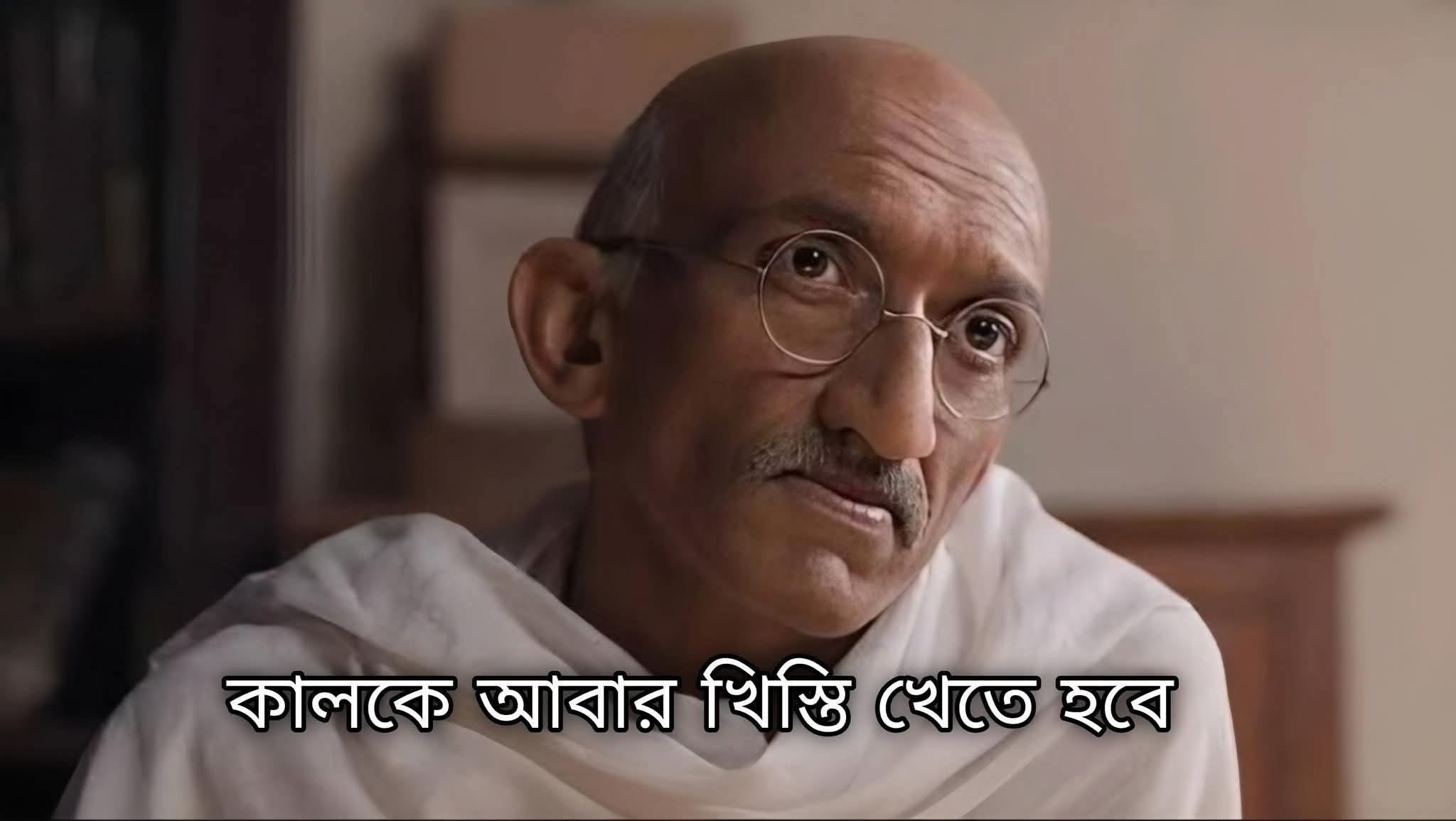
It reads: “Tomorrow, I will be abused again”
Anyways, the bigger point is: we are taught history as black and white. Obviously, we had many heroes and villains. If you conduct genocide, you can’t be called a hero. There’s no grey area there. But for most other cases, there is a huge grey area. And we are hardly encouraged to explore that.
Did Gandhi’s non-violence prolong British rule and cost lives? Did Netaji’s alliance with Axis powers compromise moral standing for tactical gain? These aren’t comfortable questions, but they’re necessary ones. But we are never encouraged to ask or analyse these.
The essays we wrote were hardly analytical; mostly we memorised facts and vomited them. My home tutor in classes 9-10 did a great job avoiding that. He would highlight what was happening in Europe, and how India was getting affected. But at the end of the day, the questions were not like that. So, we were not expected to have an analytical lens there.
The examination system doesn’t just fail to reward analytical thinking. It actively punishes it. Every mark you spend constructing an argument is a mark you don’t spend vomiting the ‘facts’ from the textbook.
This kind of teaching benefits no one. And it helps the ruling party immensely (irrespective of the party). They get to set the tone. Invent their own heroes and villains. Rather than analysing the motive of the past characters, we just label them as evil or god. And we are not encouraged to debate about their motives, incentives and overall character.
This is also prevalent in science, but not to this extent. You can mug up some formulas and answer some questions. But most of the science stuff requires you to know the logic of the formula as well.
This matters beyond academic interest. When we can’t analyze historical trade-offs, we can’t evaluate contemporary ones either. The same binary thinking that turns Gandhi into a saint or a sellout is what reduces every policy debate to patriot vs traitor.
If you enjoyed this issue, I would love to have you join my regular readers. Subscribe below to get future issues delivered straight to your inbox. It would mean the world to me knowing you’d like to read my writing in your inbox.
Ordinary thoughts, shared with hope. Pass it along if it resonated.
Greg Chappel, the Indian coach, removed Sourav Ganguly from the captaincy and appointed Rahul Dravid. This triggered a huge backlash, and Ganguly fans started hating Dravid - Chappell–Ganguly controversy